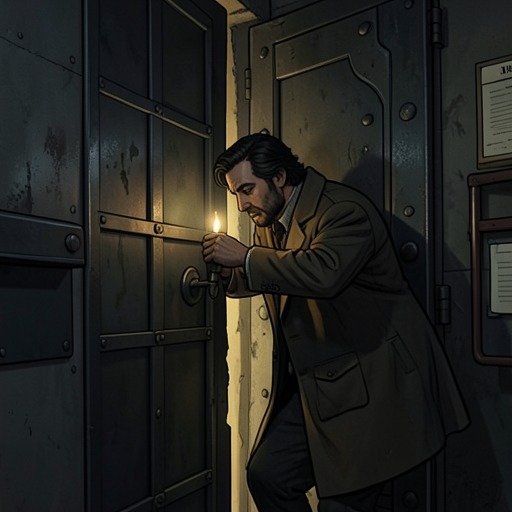
It’s a good thing there are lies
The Caller“It’s a good thing there are lies” is the old adage placed before Chapter 1. Its significance lies in the tension it establishes between falsehood as a possible relief and truth as something that may be difficult to bear; the epigraph offers that tension without explaining how it will operate in the story.
Epigraph and Attribution
The saying appears before the novel’s first chapter and is attributed to “Old adage.” Its wording unfolds in two parts: first the assertion that lies can be a good thing, then an appeal for help if everything said were true. The second part gives the first its force: the defense of lying is framed not as a general argument but as a response to the imagined burden of universal truth.
Meaning and Scope
The epigraph concerns what people say and whether their words are true. It proposes, cautiously, that false statements may spare people from consequences that complete truth would bring. The text supplies no further explanation of the saying here, so its reach remains open rather than specifying which lies, speakers, or consequences it concerns.
Opening Placement
The adage precedes the opening image of a child sleeping in a pram behind the house. That placement makes it a threshold to the narrative, but the available passage does not state a connection between the saying and the child. Its role at this point is to introduce a question about truth and speech before the story begins.